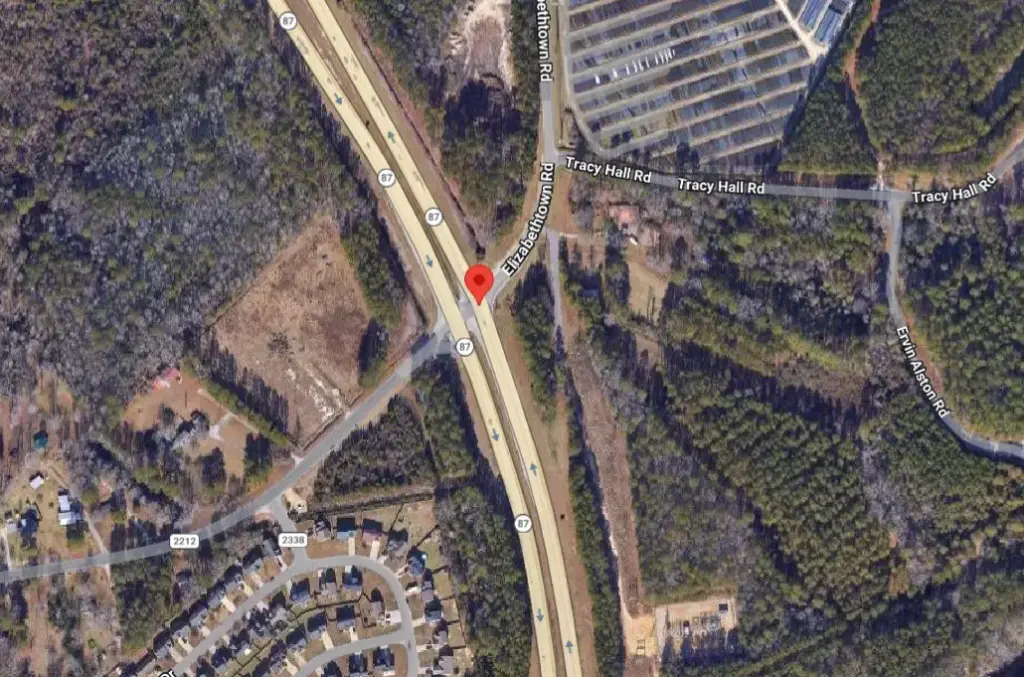
Wilmington, NC (May 11, 2026) – One person was killed and another was injured following a serious crash on Interstate 40 near Wilmington, officials said.
According to preliminary reports, the collision occurred along the eastbound lanes of I-40, leading to major traffic delays that lasted for several hours. Multiple vehicles were involved in the crash, causing significant damage and blocking portions of the interstate.
Emergency crews responded to the scene and worked to assist those involved while managing heavy traffic congestion. Authorities confirmed that one person died as a result of injuries sustained in the crash, while another individual was injured and transported to a nearby hospital for treatment.
Traffic on I-40 eastbound was delayed for several hours as lanes remained closed for investigation and cleanup operations. Drivers experienced significant backups throughout the Wilmington area.
Investigators are still working to determine what caused the crash. The investigation remains ongoing, and additional details may be released as authorities continue reviewing the incident.
Steps to Take After a Fatal Multi-Vehicle Crash on I-40 Near Wilmington
Taking the right steps after a serious highway crash can help protect your health, preserve important evidence, and support any ongoing investigation. Incidents like the fatal multi-vehicle crash on Interstate 40 near Wilmington, which left one person dead and another injured, highlight how quickly highway collisions can become life-threatening.
1. Seek Medical Attention Immediately
High-speed interstate crashes often result in severe injuries or fatalities. In this I-40 crash, one person died and another was injured and hospitalized. Even survivors may suffer internal injuries, head trauma, or shock that require urgent medical evaluation.
2. Document the Scene
If it is safe, take photos of vehicle positions, debris, skid marks, lane closures, and roadway conditions. On busy highways like I-40 near Wilmington, early documentation is important before emergency crews remove vehicles and reopen lanes.
3. Report the Accident
Ensure the crash is reported to the North Carolina State Highway Patrol. Fatal interstate crashes typically require detailed reconstruction, including vehicle movement analysis and witness statements.
4. Keep Organized Records
Maintain all crash-related documents, including police reports, medical records, hospital bills, and insurance correspondence. Serious crashes involving fatalities often involve ongoing investigations and claims.
5. Review Insurance and Legal Options
After a fatal crash, questions about liability and compensation may arise. Reviewing insurance coverage and consulting a legal professional can help clarify rights based on investigation findings.
Notes: Information in this report is based on initial details available at the time of publication and may be updated as authorities release additional findings. Certain details, including the identities of those involved, have not been disclosed unless confirmed by officials. Times, locations, and response information are approximate and derived from early reports. The cause of the crash remains under investigation unless otherwise stated.
Disclaimer: This summary is based solely on publicly available news or public safety information. No personally identifying information is included. This report is provided for general informational purposes only and is not legal advice or solicitation.
This report is compiled from publicly available accounts and may be updated as more information becomes available. If you or a loved one was involved, contact Speaks Law Firm for a free, confidential case review.